The Course
4-week LIVE online course
the realist still life method
The Complete Approach to Painting Still Lifes from Life
august enrollment opens soon
You’re ready to paint exactly what you want.
But, somehow your paintings aren’t looking convincingly real. You find yourself mixing and re-mixing colors that never look quite right. And, it’s feels impossible to correctly render what’s in your setup onto your canvas. You’re left wondering how to make the objects in your paintings actually look like real 3D forms, not just 2D cut-out shapes…and you’re wondering if it’s even possible to make real progress without investing years in art school — that will probably only focus on abstract work anyway.
If this is how you’re feeling, you’re in the right place.
In this course, I will teach you my technique and you will learn how to paint like an expert realist painter without spending years in art school.
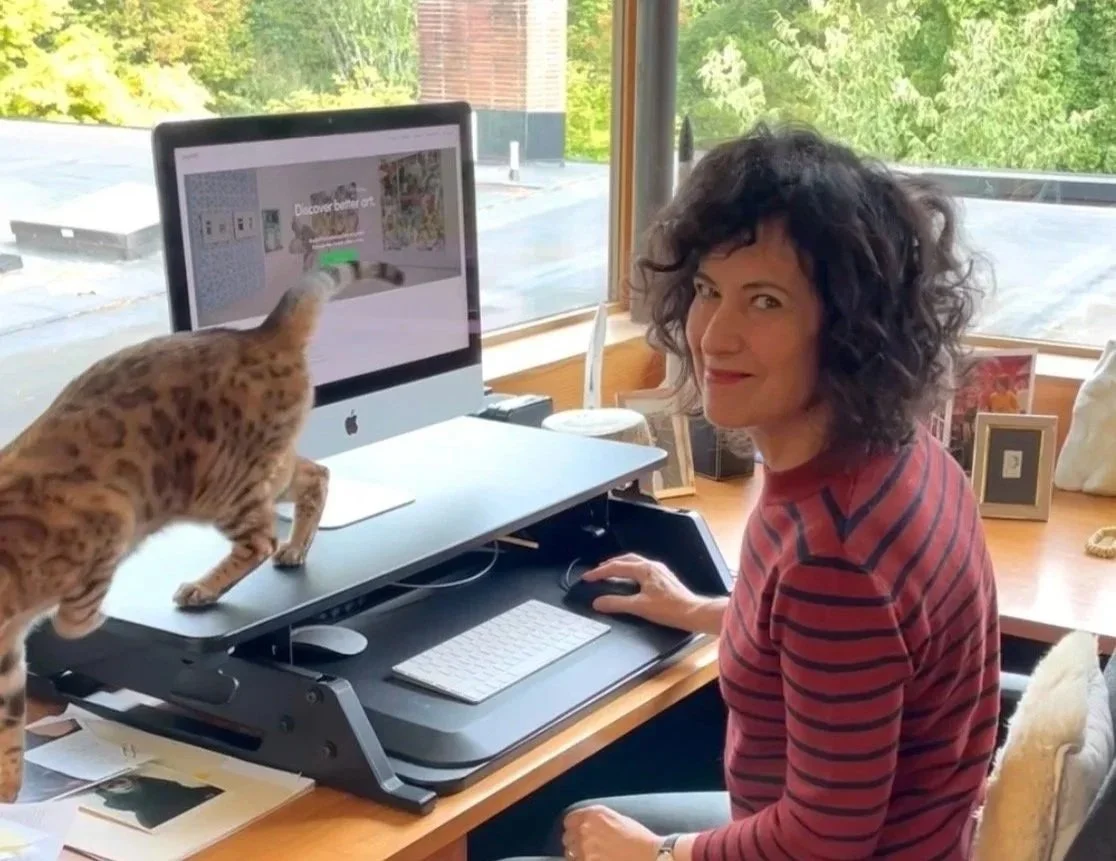
A NOTE FROM YOUR INSTRUCTOR, LINDA MANN…
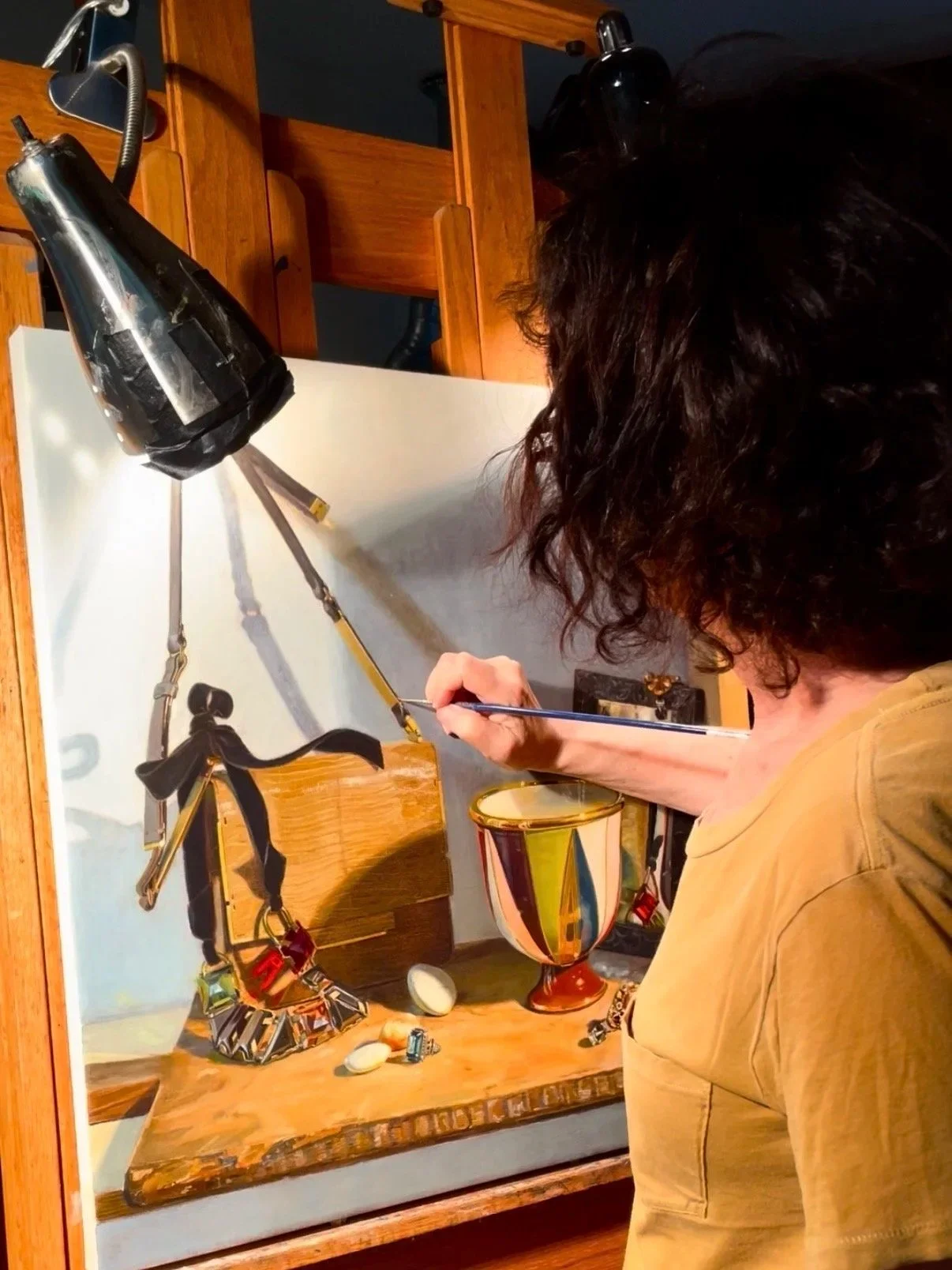
35 years ago, when I discovered that I wanted to become a realist still-life painter, educational opportunities were limited. Most art programs focused on loose contemporary styles, while I longed to paint in the luminous, realistic style of earlier centuries.
I searched for guidance in old books, scouring used-bookstores−this is before the internet−for texts on classic techniques. But many were written in archaic, confusing language, and the materials they described were often no longer available. I absorbed what I could and refined my technique through years of trial and error. Along the way, I took drawing, perspective, and painting classes whenever I could find them. I also spent countless hours in museums, studying the paintings of the old masters (while trying to stand much too close!) and examining reproductions in art books, trying to understand how these artists achieved such a convincing illusion of reality and light.Through sustained study of drawing, perspective, color theory, composition, and the behavior of light on forms, I gradually developed a technique capable of representing reality in all its luminous beauty.
Now I’m ready to share it with you, saving you precious time and money - teaching you in this 4-week Live Online Course: The Realist Still Life Method.
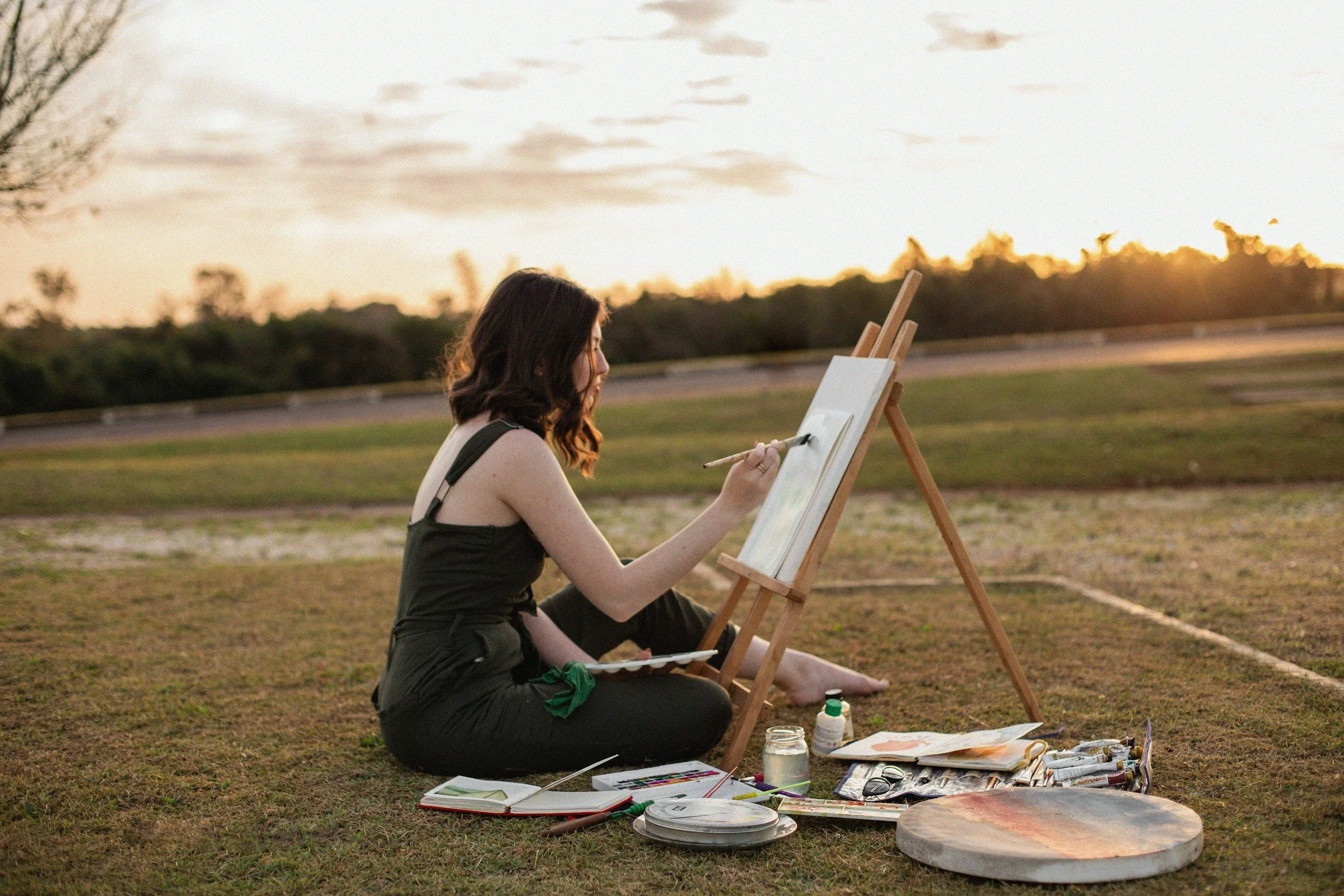
Working with Linda…
“I learned about painting what I see and keeping in mind that I can’t paint it all at once. I learned to do it in layers and to being forgiving of painting errors. I made a painting. I internalized the whole process. And at the same time, I filled my creative well with new ideas and the joy of creating something I love.”
-Stephanie B
This Course is for those who…
….Painters who have some familiarity with oil painting and want to progress quickly without years of formal art school
….Experienced painters who’d like to refine their technique and learn a new approach to realist still life painting
What’s inside this course
Each week, over the course of 4 weeks, we will meet in a live zoom room for 90 minutes.
You will learn the following topics, and then there will be a live Q+A.
Learn the following in four (4) live 90-minute online group sessions:
Week 1
Learn to Draw What You Actually See
A convincing painting begins with an accurate drawing. If the drawing is off, no amount of paint will correct it. In this session, you’ll strengthen your observational skills and learn practical ways to measure what you see using simple tools, a viewfinder, and simple perspective. These methods help you draw the correct angles and proportions of forms and understand how three-dimensional objects appear when drawn on a two-dimensional surface.
What changes: You’ll stop guessing at shapes and proportions, and your paintings will begin to look more realistic and convincing.
Week 2
Learn How to Compose a Still Life
Many still lifes feel fragmented or uninteresting because the objects aren’t arranged with intention. You’ll learn how to position objects so they relate to each other in a way that creates a dynamic composition and emphasizes what matters most to you in the painting. We’ll cover clear compositional principles that guide these decisions, including how to use lighting to clarify form and how to choose the right canvas size to strengthen the illusion of reality.
What changes: Your paintings will be dynamic, have a clear focal point and stronger relationships between objects.
Week 3
Use Color to Strengthen the Illusion of Reality
Color is one of the most common frustrations for painters. In this session, you’ll learn how to mix color with control and accuracy by understanding hue, value, and saturation—and how these shift in highlights, mid-tones, and shadows. We’ll consider how to choose a color scheme for your painting and how color shapes the overall composition, creating harmony and emotional energy in the image.
What changes: You’ll see colors more clearly, mix what you see with confidence, and choose colors that work together harmoniously to express your intention.
Week 4
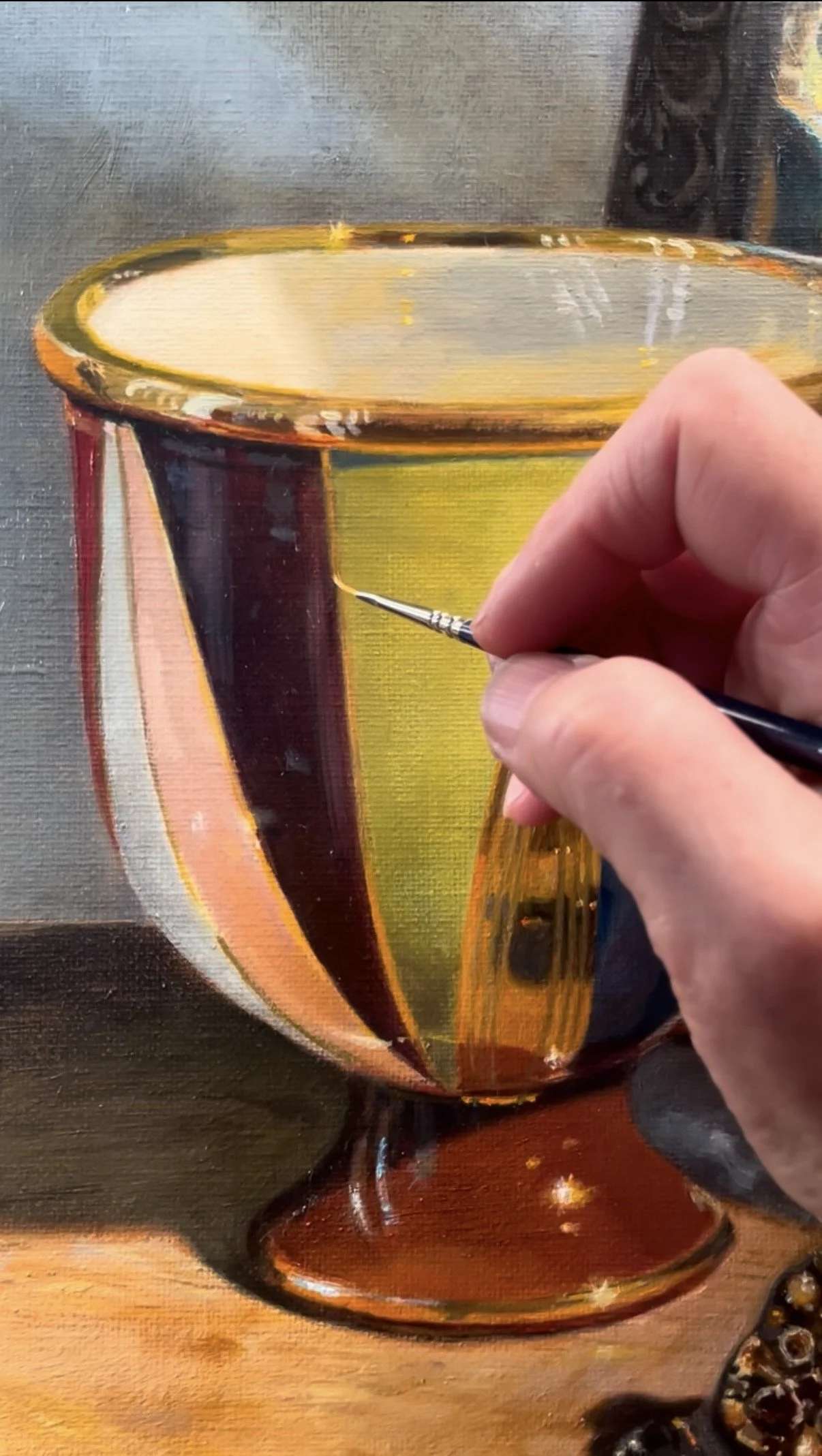
Build a Painting Through Layers
Many painters struggle because don’t know exactly where to begin. They try to solve everything at once—drawing, color, value, and detail—all in a single pass. This makes the process confusing and often leads to frustration. You’ll learn a structured approach to building a painting step by step—from drawing to underpainting to layered glazes and scumbles, so you’ll always know what stage you are in and how to proceed. You’ll also learn why allowing time for layers creates subtle effects that can’t be achieved in a single sitting.
What changes: You’ll have a clear process for constructing a painting and bringing it to a strong finish.
THE INVESTMENT
ONLY 2 SPOTS LEFT
4 Week Live Online Course
Meet Live Each Week for 90 Minutes: Lecture + Live Q+A
Taught by Linda Mann
Make it 3D
“[Linda Mann]’s class specifically helped me understand how small shapes of light and dark help an object take form. I really wanted to understand how to make a painting look not flat. And [her class] helped me achieve that understanding.
-Anna D
FAQ
-
We will not be working during class. You’ll have a live lecture that includes pre-recorded live demos.
-
I wish I had this course when I decided to start painting!
While it is helpful to have at least a passing familiarity with paint, brushes, and more, a beginner can certainly be comfortable here and learn a lot.
You can take this course and use it for reference as you grow your art practice. -
You will have access to the course for at least one year from the start date.
-
You can email questions in between our sessions and I will do my best to answer them in our Live Sessions.
-
Yes, you’ll have recordings of each live meeting.
-
There will be a meeting time survey and we will meet at a time that works for most participants.
Our meetings will be once a week for four weeks. Each session will be 90 minutes.
There will be recordings available of each session. -
Yes, at the end of the lecture portion of each session.
-
This course teaches you my technique from start to finish. While you may feel you are familiar with the topic of one week, the way I teach it may be differently than how you’ve learned it. And, even if you are an expert, learning in depth again can enlighten you. So, this course is available only in full.
-
It’s possible! But, the course will teach you what you need to know how to paint like me. Practice will get you there. So, ultimately, it is up to you.